One Eviction, Tens Of Thousands Marching, And Now A Snap Election: How An 87-Year-Old's Story Shook Spain's Government
An 87-year-old's eviction sparked mass protests, and now Spain's PM has called a snap election for 29 November. Here's the whole story.
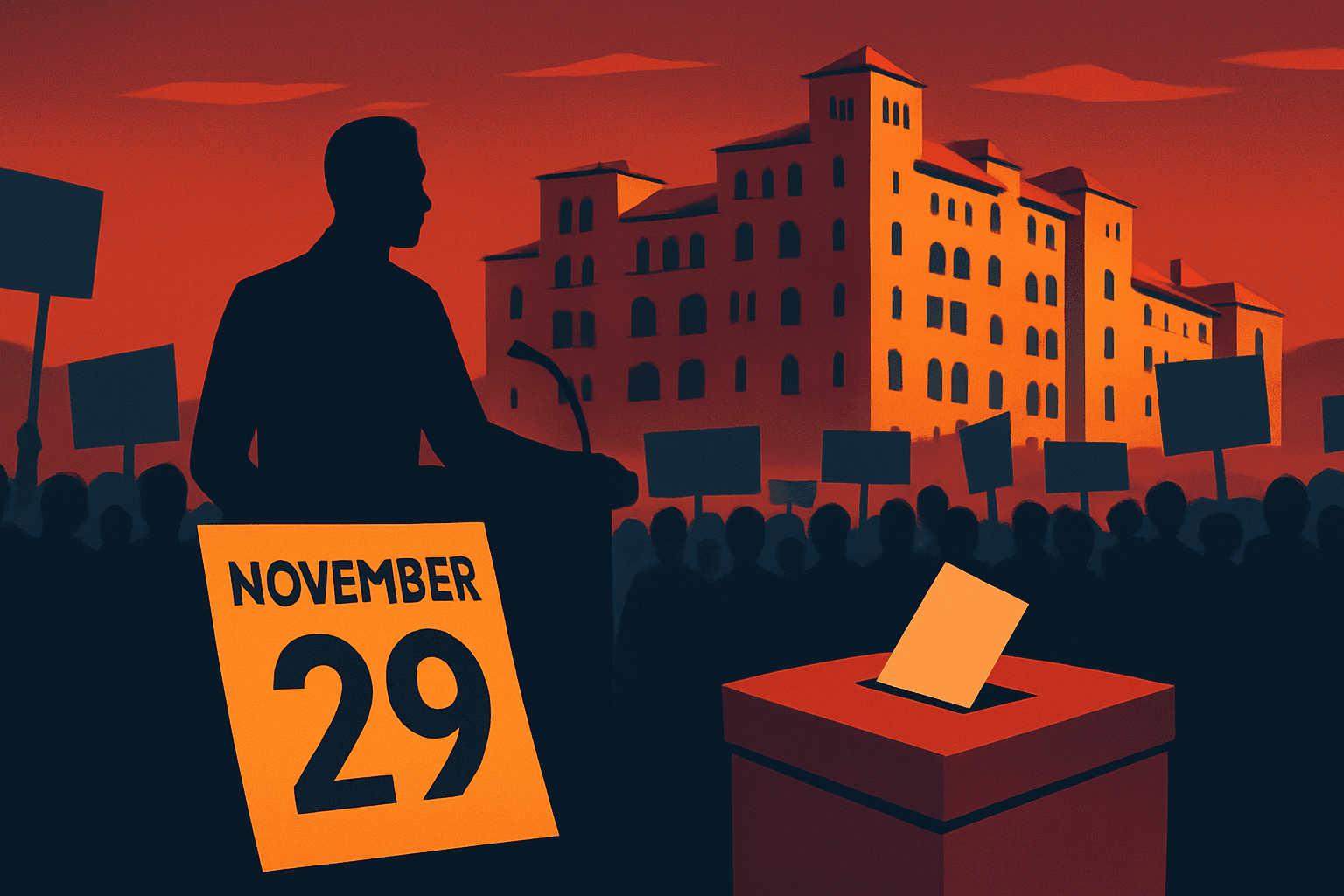
Stop scrolling, because this one is a LOT: a single eviction has helped send an entire country back to the polls. Prime Minister Pedro Sánchez has called a general election for 29 November, after his housing rescue plan was voted down in parliament.
Here's what happened, why it matters, and what comes next.
What Happened
Sánchez announced the vote in a televised address on Monday, BBC News reports. Sky News also confirms the snap election call.
The trigger was a defeat in parliament on Friday. Lawmakers rejected two decree laws from his minority government aimed at protecting tenants in the rental market.
The first decree would have suspended evictions of vulnerable tenants until 2030 and extended expiring rental leases by two years. It would also have raised taxes on tourist apartments and restricted purchases of homes by so-called "vulture funds".
The second, more controversial decree included automatic renewal of rental contracts, a long-standing demand on the left. The political right argued that intervening in the market would mean fewer homes to rent and higher prices.
Spain wasn't due to vote until summer 2027 at the latest.
The Eviction That Sparked A Movement
The story has a human face. Maricarmen Abascal, 87, was forcibly evicted from her Madrid home of more than 70 years on 23 September, according to the BBC.
A legal glitch let her landlord raise her rent from €500 to €2,650. It was later lowered to €1,650, which is still €300 more than her monthly pension. She was removed on a stretcher and later admitted to hospital. Her lawyer has since said she will be able to return home.
The case caused public outrage. On Saturday, tens of thousands marched in Madrid, Valencia and Barcelona demanding stronger tenant protections.
What Sánchez Said
Sánchez said he needs "a broader progressive majority" to push reforms through and "overcome the resistance of the elites". He also admitted: "We have made mistakes and have not achieved everything we had set out to do."
His government is a coalition of the Socialists and the Sumar alliance, and it has no majority in parliament.
The Guardian's live coverage describes him as hoping to rally voters around the housing crisis and a defence of progressive values. Its analysis notes that polls suggest his left-wing government might otherwise struggle to hold on.
The Pressure Behind The Move
Housing isn't his only headache. The BBC lists a run of troubles for his government in recent months:
- In April, his wife Begoña Gómez was charged with corruption after a two-year investigation. She denies the allegations, and Sánchez has dismissed them as a right-wing attempt to undermine his coalition.
- In May, police raided the Socialist party's Madrid headquarters as part of an investigation into an alleged paid misinformation campaign. The party denies the allegations.
- In June, his former transport minister José Luis Ábalos was jailed for 24 years over a Covid-era face-mask kickback network.
- His handling of the Ceuta migration crisis this summer also drew scrutiny.
What Happens Next
Most polls suggest the conservative People's Party is likely to be the largest party, the BBC says. It would probably need the hard-right Vox party to form a government.
Opposition leader Alberto Núñez Feijóo welcomed the news: "At last, Spaniards will be able to decide." He called it a choice between "decline or change".
The PP actually won the most seats in 2023 but fell short of a majority. Sánchez stayed in power by striking deals with left-wing parties and Catalan and Basque nationalist groups.
Why It Matters
This is a snap vote over a cost-of-living issue that millions of people across Europe recognise: rents rising faster than wages. The Guardian's blog notes that the protests in Spain and the ongoing student protests in France look different but share core issues.
For Spain, the next eight weeks will decide whether housing becomes the issue that saves Sánchez or ends his time in office.
Should housing be the deciding issue in an election? Tell us what you think in the comments.
Sources: BBC News, The Guardian, Sky News
Spill It 💬
0 commentsWhat do YOU think? Drop your hottest take below.
No comments yet 👀
Be the first to spill.