Meta Just Agreed To Pay $18 BILLION After States Accused Them Of Hooking Kids On Instagram And Facebook — And The Changes Coming Are HUGE 💸📱
Mark Zuckerberg's company will fork over the biggest child safety payout in tech history — and implement default time limits, night mode blocks, and a whole host of changes to protect young users. The trial testimony? DAMNING.
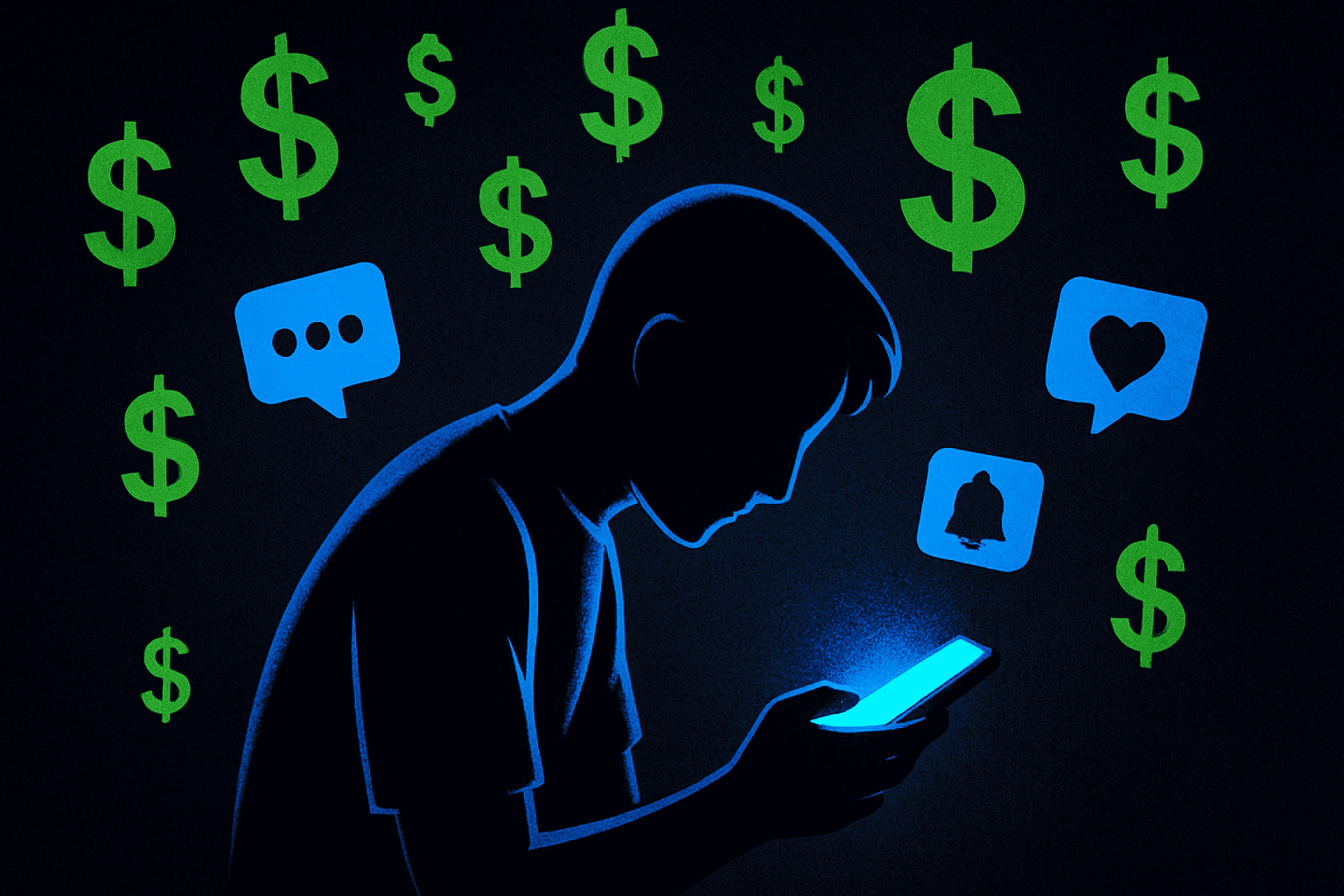
Stop scrolling, because one of the biggest tech stories of the year just dropped — and it's about to change how millions of teens use social media.
Meta has agreed to pay up to $18 billion to settle claims that Facebook and Instagram deliberately harmed children. Yes, BILLION with a B.
According to BBC News, a California judge approved the massive settlement on Wednesday, with Meta paying 48 US states plus Washington DC and three territories over a 10-year period. It's the company's largest-ever payment over child safety litigation — and honestly, the internal documents that came out during the trial are absolutely wild.
The Trial Did NOT Go Well For Meta
Here's the tea: state lawyers argued that Meta knew millions of 11- and 12-year-old users were on Instagram and Facebook — and "did little to keep them off" the platforms, the BBC reports.
The evidence? Internal Meta research that literally stated: "Teens have an addict's narrative about use."
And yet the company still targeted young users. Yikes.
California Attorney General Rob Bonta didn't hold back: "The trial did not go well for Meta," he said on Wednesday. "This is a major moment to clean up an industry that has been hurting our kids."
The Most Damning Testimony
One former Meta researcher, George Volichenko, testified about working on safety features in 2022 — including "quiet mode" to mute notifications at night for teens.
His team knew the feature would be way more widely used if Meta turned it on by default. But here's where it gets dark: Volichenko recalled his manager telling him he "shouldn't worry too much about the adoption figures being low, because the team exists partially to protect the company against the upcoming lawsuits."
Read that again. They allegedly knew lawsuits were coming and built features to protect the company, not necessarily the kids. WILD.
What's Actually Changing (And It's A LOT)
As part of the settlement, Meta is implementing a bunch of new safety features that will be turned on by default for teen users:
The Tea ☕
- Two-hour daily time limit across Instagram and Facebook combined (can only be turned off with parent permission)
- Night mode blocking notifications midnight-6am — and only parents can disable it
- School mode muting notifications 8am-3pm on school days
- Hidden likes on teen profiles
- Prompts at 15 minutes of continuous use, plus alerts at 60 and 90 minutes
- Option for a non-algorithm feed
- Ability to turn off video autoplay
- Extreme makeup filters will be removed entirely
And get this: if other platforms like TikTok, Snap, and YouTube also implement similar restrictions, Meta will reduce the daily time limit to just one hour.
Meta's chief legal officer CJ Mahoney said the changes will "empower parents to easily manage how their children access our platforms" — but also called on competitors to follow suit. "This framework will only work if all our peers join us," he said.
But Wait, There's More Drama
While Meta denied any wrongdoing as part of the settlement (they always do), this isn't even their only child safety legal nightmare.
Last month, a New Mexico federal judge ruled Meta was a "public nuisance" on par with air pollution and ordered the company to pay almost $1 billion in combined fines. New Mexico wasn't part of this week's settlement.
The original lawsuit was filed back in 2023 by 29 states accusing Meta of violating federal and state child privacy laws. The trial only lasted five days before they settled — but state lawyers relied heavily on millions of internal Meta documents, including research, employee emails, and chat logs that went all the way up to CEO Mark Zuckerberg.
What Happens Next
District of Columbia Attorney General Brian Schwalb called the deal a "monumental public health victory" and said "the safety features Meta is required to install will fundamentally and immediately change how young people use Instagram and Facebook."
California's Bonta suggested his office will now be "more focused" on bringing changes to the entire social media industry if other platforms don't follow Meta's lead.
The $18 billion will be distributed in annual installments over 10 years — which works out to $1.8 billion per year, just to put that in perspective.
Meta maintained throughout the trial that it's "always working on teen safety" and has poured resources into testing, research, and building new features. Instagram head Adam Mosseri even testified on Tuesday before the case settled and court adjourned.
But those internal documents tell a different story — one where the company allegedly prioritized engagement over safety, even when their own research showed teens were developing addictive behaviors.
Sources:
Do you think these changes go far enough, or is this just Meta doing damage control? Sound off below. 👇
Spill It 💬
0 commentsWhat do YOU think? Drop your hottest take below.
No comments yet 👀
Be the first to spill.