Kenya Confirms Its First-Ever Ebola Death As The DR Congo Outbreak Spreads — What We Know
Kenya has reported its first-ever Ebola death after a man returned from DR Congo. Here's what officials say, who is being traced and why the outbreak matters.
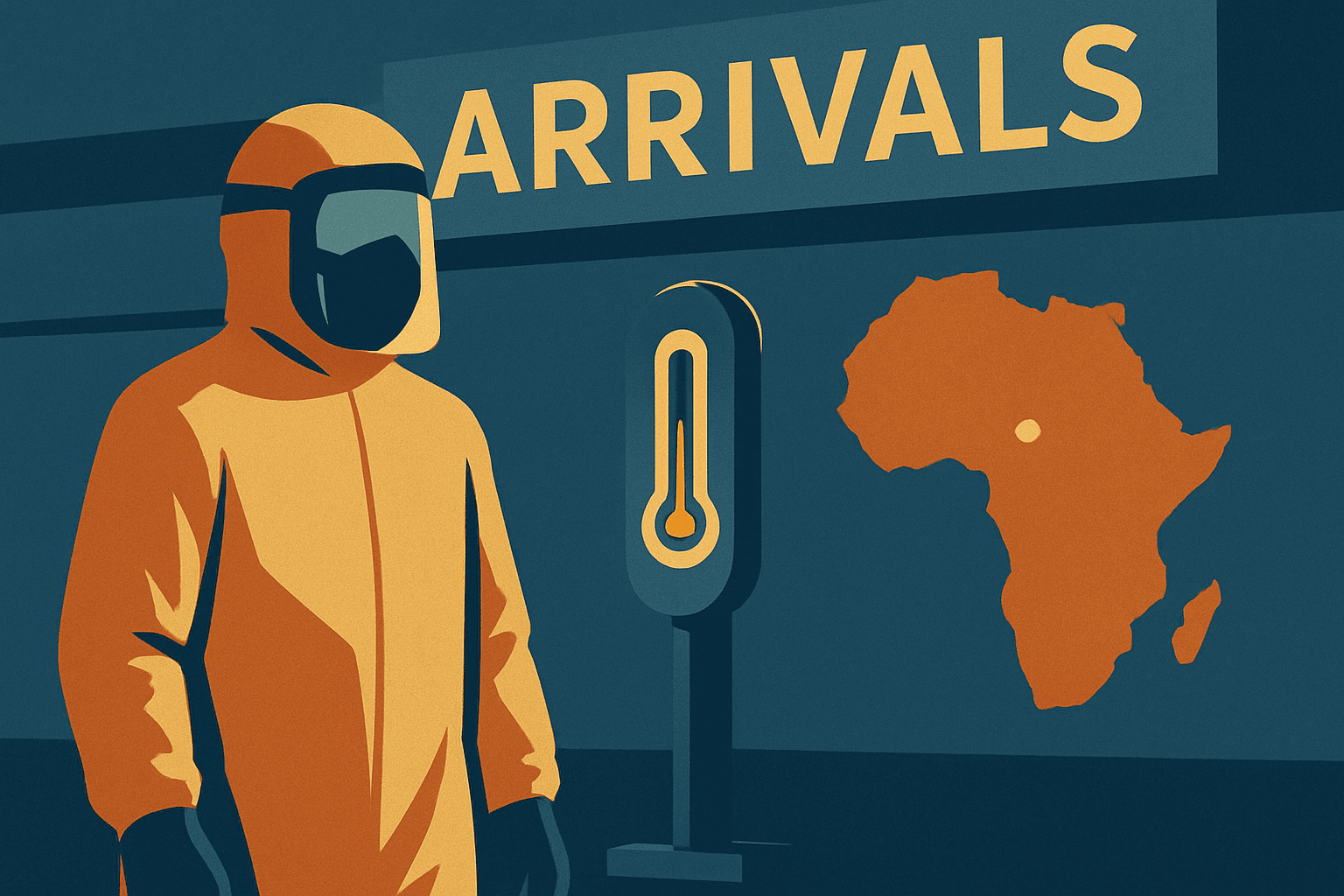
Kenya has confirmed its first-ever Ebola case, and the patient has died. Here is what we know, what officials are doing, and why it matters.
What Happened
Kenya's health minister, Aden Duale, announced on Tuesday that a Kenyan citizen who had spent seven years living in the Democratic Republic of Congo (DRC) died after returning home, according to the Guardian and BBC News.
The man, who has not been named, fell ill around a month ago and was treated in several hospitals in the DRC. He then travelled by road to Kampala, Uganda, and flew to Nairobi on Saturday 3 October.
He was taken to a Nairobi hospital and isolated. The BBC reports he was moved to an isolation facility built during the Covid-19 pandemic. He developed fever, chills, severe fatigue, muscle pain, painful swallowing and bleeding under the skin. Samples tested positive for the Bundibugyo strain of Ebola. He died at around 11:30pm on Monday and was buried on Tuesday under public health safety protocols.
How Did He Get Through Airport Screening?
The BBC says he went through normal public screening at Nairobi's main airport. A senior health ministry official told the broadcaster he may have passed because the medication he was taking masked his symptoms.
Kenya says it has now stepped up surveillance at airports and border crossings.
Who Is Being Traced
Officials have identified at least 28 contacts, including family members and health workers. So far, Duale said, only the patient himself has tested positive.
Authorities are also trying to trace 23 passengers and four crew members who were on the same flight. Duale said quarantine arrangements are ready for anyone at risk, and urged the public "not to panic."
The Bigger Picture In DR Congo
This is the 17th Ebola outbreak in the DRC, which was declared in May. As of 2 October, the Guardian reports 4,082 deaths from 8,463 confirmed cases. The BBC cites WHO figures of 4,114 deaths from 8,544 cases, making it the largest ever recorded in the country and the second deadliest known Ebola outbreak.
The Bundibugyo strain is relatively rare. There is currently no approved vaccine or treatment, though the BBC says four vaccines are in development and human trials for one began in July.
Medecins Sans Frontieres (MSF) warned on Monday of an "alarming surge" in North Kivu province, which now accounts for roughly 40% of new cases, up from 24% at the end of August. "It is like fighting a megafire," MSF's Stephanie Hoffmann said, with multiple outbreaks developing at once.
The response has been hampered by armed conflict, mistrust of authorities, violence against health workers and cuts to international aid, according to the Guardian.
Uganda's Earlier Cases
Uganda also recorded cases after the outbreak began, around 20 people, almost all of whom had travelled from the DRC, and two deaths. The WHO declared the country Ebola-free in August. Since then, all known cases had been in the DRC until now.
What Happens Next
- Contact tracing for the 28 identified contacts and the passengers and crew on the flight
- Tighter screening at Kenyan airports and border posts
- Health workers told to maintain the highest infection-control measures for all patients
Ebola spreads through contact with the bodily fluids of an infected person, such as blood or vomit, according to the BBC. Officials stress there is no sign of wider spread in Kenya so far.
What questions do you have about the outbreak, and do you think airport screening needs to change? Tell us in the comments.
Sources:
Spill It 💬
0 commentsWhat do YOU think? Drop your hottest take below.
No comments yet 👀
Be the first to spill.