DR Congo's Ebola Outbreak Has Now Killed More Than 4,000 People — Here's Where Things Stand
More than 4,000 deaths have now been recorded in the DRC's Ebola outbreak, as attacks on health workers and misinformation hamper the response. Here's what's happening, why it matters and what comes next.
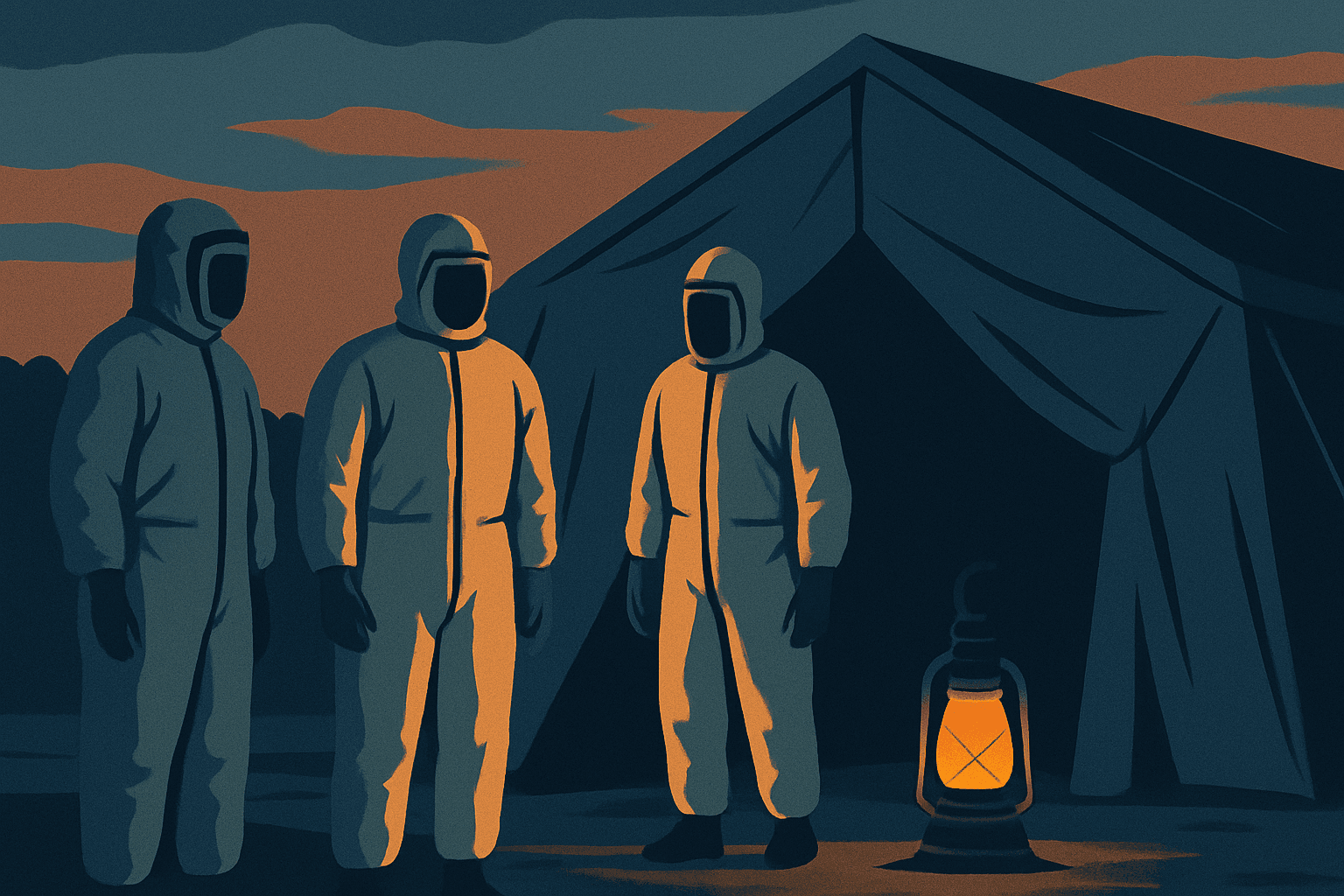
More than 4,000 people have now died in the Democratic Republic of Congo's Ebola outbreak, Sky News reports, as authorities struggle to contain the virus.
What Happened
The DRC's health ministry has recorded more than 4,000 deaths in the outbreak, according to Sky News. Figures reported by The Guardian earlier this week, citing the health ministry, put the toll at 3,901 deaths from 8,067 infections, so the new milestone follows a steady climb.
The outbreak was first announced on 15 May. It is caused by the rare Bundibugyo virus, which has no approved treatment or vaccine, according to the Guardian. Cases have been confirmed in seven provinces.
Why It Matters
This is the largest and deadliest Ebola outbreak in the DRC's history. Globally, it is second only to the 2014-16 West Africa outbreak, which infected more than 28,600 people and killed more than 11,000, the Guardian reports.
Data from the Africa Centres for Disease Control and Prevention shows the current outbreak has outpaced the West African one, the Guardian says. Last month the World Health Organization warned it was on track to surpass it.
Experts quoted by the Guardian say the spread has been intensified by conflict, aid cuts and attacks on healthcare workers and treatment centres.
Attacks On The Response
Mistrust of the response has fuelled violence. The Guardian reports that Marie-Celestin Karondwa, a senior figure in the DRC's ruling UDPS party in Butembo, a new hotspot, was beaten to death on Sunday after appearing on a radio programme promoting Ebola prevention measures. His party says attackers also stole his belongings and set his house on fire. It was not immediately clear who carried out the attack or what motivated it.
On Saturday, armed men attacked a hand-washing checkpoint in nearby Beni territory, killing at least one person and wounding several others, according to a local civil society group cited by the Guardian.
Experts say these incidents are fuelled by rumours, misinformation and distrust of health responders. They have included riots, property damage and disruption of essential services.
A Mixed Picture
There have been signs of hope. In mid-September, the Guardian published a report headlined that authorities said the outbreak had peaked as infection rates slowed. The latest death toll and the new violence show how fragile that progress may be. We could not read the full Sky report, so details beyond its headline figure are not covered here.
What Happens Next
With no approved vaccine or treatment, the response relies on prevention measures such as hand-washing, tracing and treatment-centre care. Those depend on public trust and on responders being able to work safely. Health officials will be watching hotspots such as Butembo and Beni closely.
What do you think the world should be doing to support the response? Share your thoughts below.
Sources: Sky News | The Guardian | The Guardian – Ebola coverage
Spill It 💬
0 commentsWhat do YOU think? Drop your hottest take below.
No comments yet 👀
Be the first to spill.