After 30 Years Frozen On Everest, "Green Boots" Is Finally Coming Home — And His Family Never Stopped Waiting
For three decades, lime-green mountaineering boots have marked one of Everest's grimmest landmarks. Now India is mounting a dangerous mission to bring climber Dorje Morup home to the family who never gave up hope.
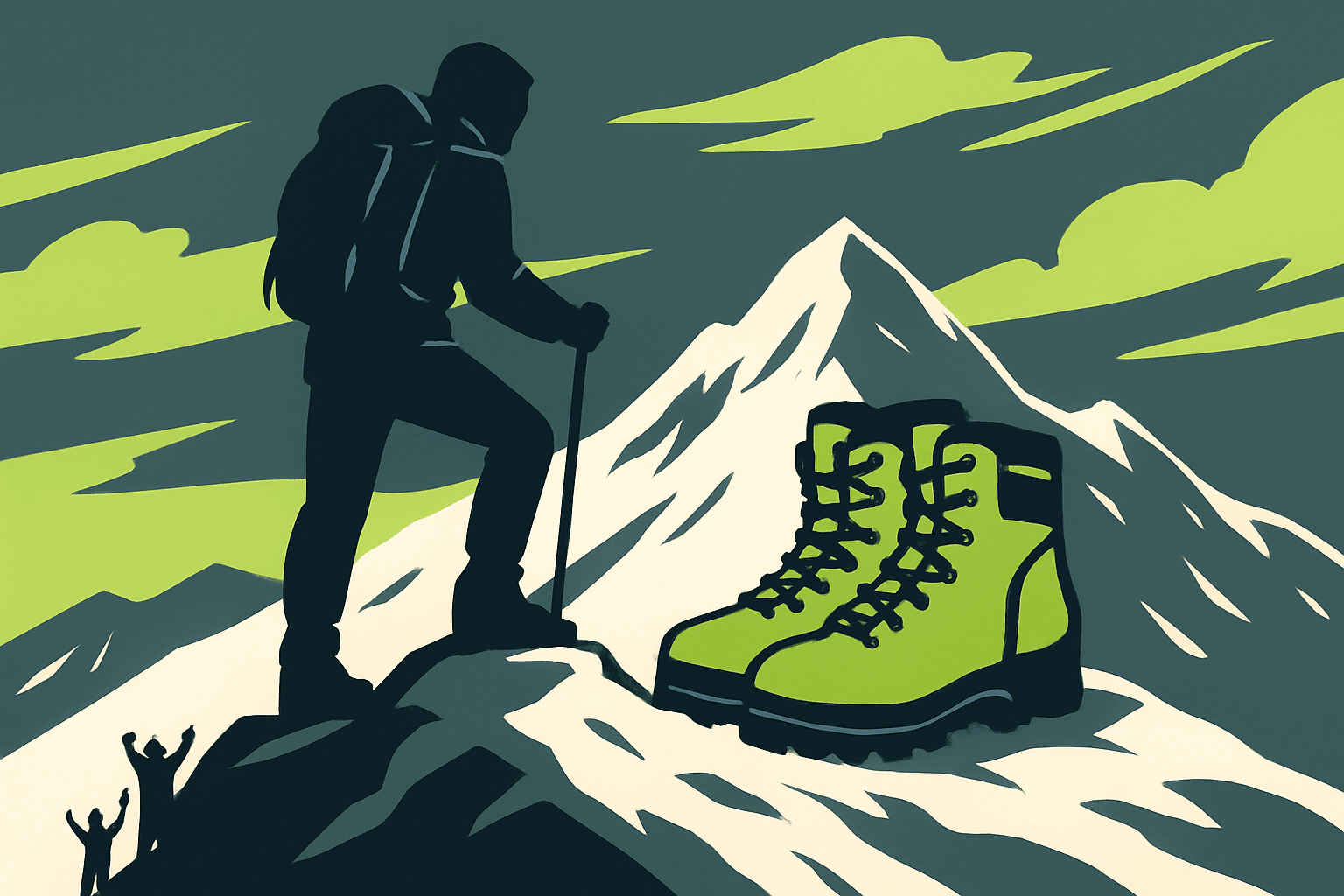
For 30 years, climbers ascending Mount Everest have passed a body frozen in the snow at 8,500 metres — identifiable only by a pair of bright lime-green mountaineering boots.
The grim landmark known as "Green Boots" has guided thousands toward the summit. Now, according to the BBC, India is planning a complex and dangerous recovery mission to finally bring him home.
The body is believed to be that of Dorje Morup, an Indian climber who died in a blizzard in 1996 while descending from Everest's summit. And his wife says that even now, part of her still expects him to knock on the door.
The Promise He Made Before He Left
The night before Morup left for his historic expedition, he sat with his wife Konchak Yangskit at their home in Ladakh and made her a promise: he would come back a hero and make his country proud.
"He asked me to take care of the kids and come to the airport to greet him on his return," Yangskit told the BBC.
But she had a terrible feeling that night. "I wondered if I was ever going to see him again."
Morup was a 48-year-old lance corporal in the Indo Tibetan Border Police, attempting to become part of the first Indian expedition to summit Everest from the treacherous Chinese side. Three members of the six-person team turned back when a snowstorm hit. Morup and two others pushed on to the 8,849-metre summit.
They made it. Then disaster struck on the way down.
A Blizzard Killed All Three
The three climbers who reached the summit — Morup, Tsewang Smanla, and Tsewang Paljor — were caught in a blizzard during their descent. All three died on the mountain.
Like more than 300 others who have perished in the Everest region since records began a century ago, their bodies remained where they fell. Two have never been found.
But the third body — "Green Boots" — has been lying frozen under an overhanging rock for three decades, a haunting marker on the route to the summit.
For years, climbers assumed the body was that of Tsewang Paljor. But testimony from surviving expedition members and the location of the last radio contact have led authorities to believe the remains belong to Morup. An anonymous ITBP official told the BBC that Morup's clothes and climbing gear helped confirm the identification.
"We never forgot him. It was only a matter of time," the official said.
The Mission Will Be Incredibly Dangerous
Retrieving bodies from Everest's "death zone" — where temperatures plunge to -40C and oxygen levels are about a third of sea level — is gruelling, expensive, and rare.
The Chinese side of the peak, where Green Boots lies, is steeper and has far fewer support structures than the popular Nepalese route. There's no quick helicopter evacuation if something goes wrong.
"It's really tough to get that body down even in popular spring season, let alone the autumn," mountaineering guide Pemba Ongchu Sherpa told the BBC. "That's the simple reason it is still there for so many years."
The recovery will require 10 to 12 expert climbers just to fix support ropes to reach the body. Then the remains — which will likely weigh several times an average person due to iced-up gear and awkward positioning — will have to be physically carried down to an altitude where a helicopter or yaks can collect it.
Indian climber Kuntal Joisher warned that the first 1,000 metres of descent will be "a humungous challenge" on extremely steep, rocky ground. "The main thing is to not put Sherpa lives at risk for a dead body."
Even straightforward recovery missions cost between $40,000 and $80,000. But the ITBP is funding the operation and wants Morup's body returned by September.
"My Heart Refused To Believe He Had Died"
Back in Ladakh, Morup's family has spent three decades in limbo.
Yangskit, now around 75, struggles to remember even the day she was married. But the days after the tragedy remain crystal clear.
"Even though we organised cremation prayers at home, my heart refused to believe he had died," she said through tears. "I didn't see his dead body, so it was difficult for me to believe it."
She admitted that some nights before bed, she would think there'd be a knock on the door and he'd be standing there. "When he comes home, I will ask him: 'Where were you all these years?'"
All that remains of Morup are his medals, trophies, a few old photos — and a certificate from the Chinese government confirming that at 5:30 PM on May 10, 1996, he reached the top of Everest.
A Hero's Farewell
If the recovery mission succeeds, Morup's son Punchok Dorjai told the BBC the family will hold a funeral near Martyrs Park in Leh, Ladakh's capital.
"My father gave his life for the country and he should be remembered as a martyr," Dorjai said.
And the family plans to keep one piece of their father's legacy at home, alongside his summit certificate: the famous green boots that guided so many climbers for so long.
Do you think recovery missions like this should be attempted, or should climbers be left to rest on the mountain? Let us know what you think below.
Sources:
Spill It 💬
0 commentsWhat do YOU think? Drop your hottest take below.
No comments yet 👀
Be the first to spill.