A British Dad Just Had Brain Surgery With AI Watching Every Move — And It's The First Time This Has EVER Been Done 🧠
Rhys Hibbert was going blind from a brain tumour — until surgeons at a London hospital let artificial intelligence guide them through a world-first operation. The results? Life-changing.
Stop everything, because medical history just got made — and it happened right here in the UK.
A 48-year-old dad from Bedfordshire has become the first person in the world to have brain surgery with live AI assistance, and honestly? The future is NOW.
Rhys Hibbert was facing the very real possibility of losing his sight completely after doctors discovered an 11mm tumour growing on his pituitary gland — a tiny but vital organ at the base of his skull that sits dangerously close to the optic nerves and major blood vessels.
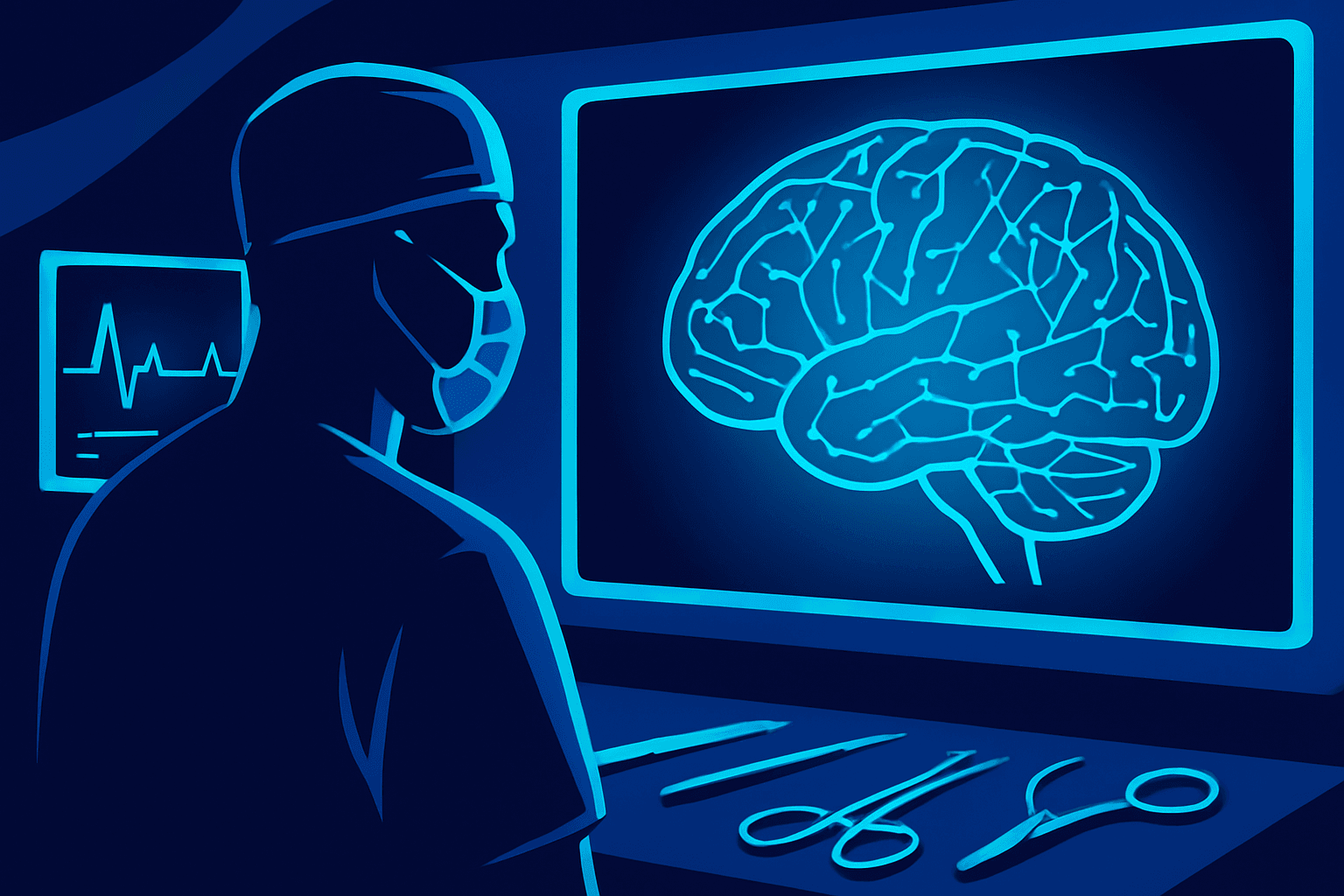
But instead of relying solely on traditional surgical methods, according to the BBC, surgeons at University College London Hospital used a groundbreaking AI tool that watched the operation in real-time and told them exactly where to cut.
Yes, really.
How It Actually Worked
Here's where it gets wild.
The AI system analysed a live video feed of the surgery as it was happening, tracking the surgical instruments and highlighting hidden blood vessels and nerves that could cause serious damage if nicked.
Think of it like facial recognition on your phone — except instead of identifying your face, it's recognising crucial anatomical structures that could mean the difference between success and catastrophe.
The surgeons inserted a tiny camera through Rhys's nose to reach the tumour (we are NOT okay thinking about this), and the AI marked up safe zones on a second screen in real-time, essentially acting as an expert second pair of eyes.
Prof Hani Marcus, who carried out the procedure, told the BBC that the system was "trained on more operations than most surgeons see or do in a lifetime."
The team's long-term goal? To create what they're calling a "surgical ChatGPT" — an AI assistant that surgeons can consult during operations if they want advice, or ignore if they disagree.
The Tea ☕
- Rhys Hibbert, 48, had an 11mm brain tumour pressing on his optic nerves, causing vision loss, severe fatigue and dizziness
- AI watched the surgery live and guided surgeons around hidden blood vessels and nerves in real-time
- The tech was trained on hundreds of pituitary tumour operations — more than most surgeons perform in their entire careers
- Complication rates for this type of surgery include a 25-50% chance of not removing the whole tumour and up to 2% risk of hitting a major blood vessel
"It's Given Me My Life Back"
Before the operation, Rhys — a customer services manager and father-of-two — had been struggling badly.
His peripheral vision had narrowed so much he kept tripping over things. He felt constantly exhausted and dizzy. For 18 months, the tumour had been stealing his energy and independence.
But when surgeons offered him the chance to be the first patient to try the experimental AI-assisted procedure, he didn't hesitate.
"If patients are not prepared to join research, how can doctors ever learn and how can medicine ever progress?" he told the BBC.
And the results? Absolutely incredible.
"When I opened my eyes after the operation it felt like I had got 360-degree vision — I hadn't seen that clearly for a year," Rhys said.
Eight weeks later, his sight is still improving every few days. The fatigue? Gone. The dizziness? Vanished.
"It's given me my life back."
(Excuse us while we ugly cry.)
What Happens Next
The surgical team — funded by the National Institute for Health and Care Research and Google — spent years developing and testing this technology in labs before trying it on a real patient.
Now that the first operation has been a success, they're working on a larger trial to see how the AI performs across more cases.
James Frith, the UK's health innovation minister, said the government is committed to ensuring AI in medicine has "proper safeguards" while also embracing the opportunities it brings.
Translation: this is just the beginning.
The idea of AI assisting in life-or-death surgeries might sound like something out of a sci-fi film, but for Rhys and his family, it's already changed everything.
And for the rest of us? It's a glimpse of what healthcare could look like in the very near future — where technology doesn't replace human expertise, but enhances it in ways we're only just beginning to understand.
Would you trust AI to help guide your brain surgery, or does the idea freak you out? Let us know in the comments.
Sources:
Spill It 💬
0 commentsWhat do YOU think? Drop your hottest take below.
No comments yet 👀
Be the first to spill.